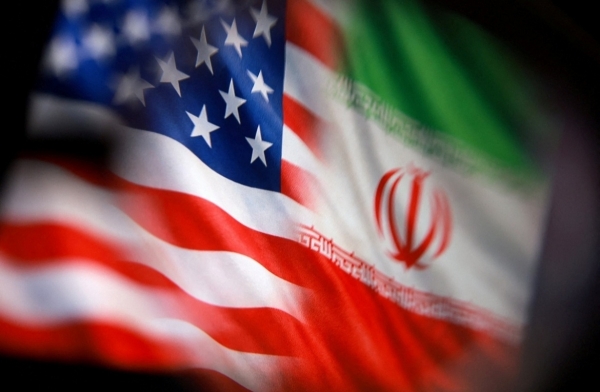
Iran Issues Ultimatum for Resumption of Negotiations with United States
Iranian Parliament Speaker Mohammad Baqer Qalibaf sets preconditions for talks, emphasizing implementation of oil security terms and lifting sanctions as mandatory requirements.
Amid ongoing geopolitical tensions in the Middle East, Iran has officially issued an ultimatum for the resumption of negotiations with the United States. According to the latest statement from Iranian Parliament Speaker Mohammad Baqer Qalibaf, Tehran is only willing to consider final agreements with Washington if terms related to oil security and the complete lifting of sanctions are fully implemented.
Background of Iran-US Relations
The relationship between Iran and the United States has experienced numerous ups and downs over the past decades, particularly since the US unilaterally withdrew from the Iran Nuclear Deal (JCPOA) in 2018 under President Donald Trump. This withdrawal led to the reimposition of severe sanctions against Tehran, significantly impacting Iran's economy and energy sector.
Efforts to restore the nuclear agreement have continued for years without clear results. Meanwhile, regional tensions have continued to escalate with events such as the 2019 attack on Saudi Arabia's oil facilities, conflicts in the Red Sea, and recent attacks related to the Israel-Hamas conflict.
Iran's Reaction
In his recent address, Iranian Parliament Speaker Qalibaf affirmed Tehran's firm stance. He emphasized that Iran has no intention of participating in merely symbolic negotiations and demands concrete commitments from the United States.
"We will only consider final agreements if the US commits to fully implementing terms on oil security and lifting all illegal sanctions," Qalibaf declared, stressing that issues related to energy security and economic priorities are paramount for Iran in any negotiation.
Specific Conditions from Iran
According to diplomatic sources, Iran's ultimatum includes the following key demands:
- Complete removal of all economic and financial sanctions
- Commitment to guaranteeing the security of Iran's oil exports
- Recognition of Iran's right to develop nuclear technology
- Pledge not to interfere in Iran's internal affairs
Impact on Global Energy Markets
Iran's ultimatum could have significant implications for global energy markets. With the world's second-largest oil and gas reserves, any policy changes in Iran could cause substantial fluctuations in energy prices.
The following table compares Iran's oil production before and after the US withdrawal from the JCPOA:
| Time Period | Oil Production (thousand barrels/day) | Oil Exports (thousand barrels/day) | Brent Oil Price (USD/barrel) |
|---|---|---|---|
| 2017 (before US withdrawal) | 3,800 | 2,500 | 52 |
| 2019 (after US withdrawal) | 2,400 | 1,000 | 64 |
| 2023 (current) | 3,100 | 1,800 | 82 |
If sanctions are lifted, Iran's oil production could increase to approximately 3.8 million barrels per day, increasing global supply and potentially putting downward pressure on oil prices. Conversely, if tensions continue, production could decrease further, pushing oil prices even higher.
International Community's Response
The international community, including European nations and China, has expressed concern about the current situation. Many countries hope that negotiations can resume to stabilize the region and ensure global energy security.
The United Nations and international intermediary agencies have expressed readiness to support diplomatic efforts, but so far, no clear progress has been made.
Future of Iran-US Relations
The future of Iran-US relations remains highly uncertain. Meanwhile, the Biden administration has expressed willingness to return to the nuclear agreement with modified terms, but requires Iran to strictly adhere to nuclear restrictions.
Political analysts suggest that both sides have strategic interests in improving relations, but barriers of trust and national interests remain substantial. Iran's issuance of an ultimatum may be a strategic move to strengthen Tehran's negotiating position.
According to some analysts, if the US accepts Iran's conditions, this could create a foundation for a broader agreement including regional security issues and bilateral relations. However, this possibility still depends on many political and strategic factors from both sides.
Conclusion
Iran's ultimatum sets preconditions for the resumption of negotiations with the United States, focusing on oil security issues and the lifting of sanctions. This development could reshape relations between the two nations and have far-reaching implications for global energy markets.
Amid ongoing regional tensions, the international community is closely monitoring developments and hoping that diplomacy can find a way out of the current crisis.