EVN and GE Vernova Forge Breakthrough Partnership in High-Voltage Direct Current (HVDC) Transmission Technology
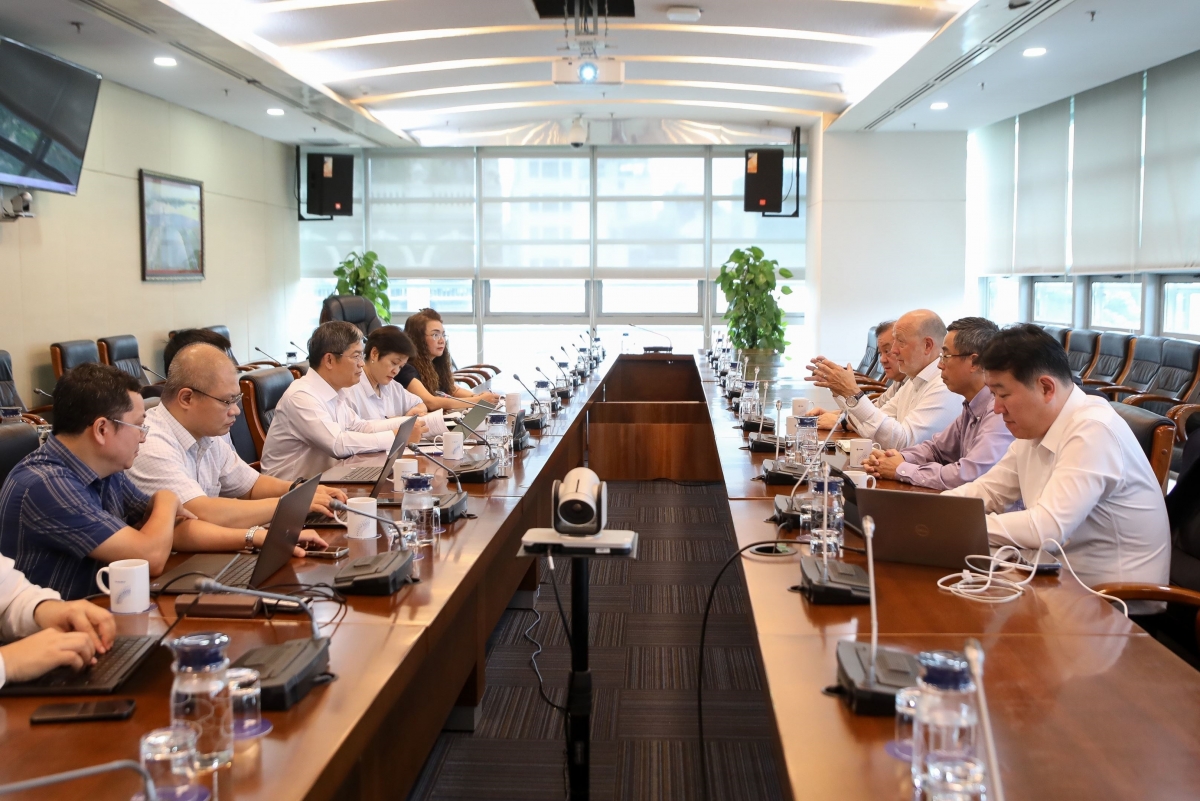
In a significant development for Vietnam's energy sector, the Electricity of Vietnam (EVN) recently hosted a working session with GE Vernova UK Grid Solutions in Hanoi. The meeting focused on establishing a collaborative framework for implementing High-Voltage Direct Current (HVDC) technology in Vietnam's power transmission infrastructure, marking a pivotal step toward modernizing the nation's electrical grid.
Meeting Highlights and Strategic Objectives
The working session, chaired by Mr. Nguyen Tai Anh, Deputy General Director of EVN, brought together key technical and managerial personnel from both organizations. The discussions centered on implementing the Memorandum of Understanding previously signed between the two entities, with a particular emphasis on researching and deploying HVDC technology across Vietnam's power transmission network.
Both parties expressed their commitment to leveraging cutting-edge technology to enhance the efficiency, reliability, and sustainability of Vietnam's power system. The meeting concluded with a roadmap for technical cooperation, knowledge transfer, and joint research initiatives.
Core Areas of Cooperation
The partnership between EVN and GE Vernova encompasses three primary areas of technical collaboration:
- Comprehensive HVDC Technology Research: Joint research initiatives to identify optimal applications of HVDC technology within Vietnam's specific geographical and energy landscape context.
- Renewable Energy Integration: Development of solutions to facilitate the integration of Vietnam's growing renewable energy resources into the national grid, improving transmission efficiency and grid stability.
- Workforce Development and Training: Capacity building programs to enhance the technical expertise of EVN personnel in HVDC technology implementation and operation.
Understanding HVDC Technology
High-Voltage Direct Current (HVDC) transmission technology represents a significant advancement in electrical power transmission. Unlike traditional Alternating Current (AC) systems, HVDC transmits electricity using direct current at very high voltages, offering several distinct advantages:
- Reduced Transmission Losses: HVDC systems experience minimal energy loss over long distances, typically 30-50% less than equivalent AC transmission lines.
- Enhanced Grid Stability: HVDC connections provide asynchronous links between AC grids, improving overall system stability and reducing the risk of cascading failures.
- Long-Distance Transmission: Particularly efficient for transmitting electricity over distances exceeding 600-800 kilometers, making it ideal for connecting remote power sources to load centers.
- Underwater and Underground Applications: HVDC technology is the preferred solution for subsea and underground power cables due to lower losses and electromagnetic field issues.
Benefits for Vietnam's Energy Sector
The implementation of HVDC technology offers transformative potential for Vietnam's rapidly developing energy sector:
- Integration of Renewable Energy: Vietnam's ambitious renewable energy targets, particularly in solar and wind power, require advanced transmission infrastructure to connect remote generation sites to population centers.
- Grid Modernization: HVDC technology enables the creation of a more flexible, resilient, and intelligent grid capable of meeting Vietnam's growing electricity demands.
- Regional Energy Cooperation: Facilitates cross-border energy trading with neighboring countries, enhancing energy security and economic cooperation.
- Environmental Benefits: By reducing transmission losses and enabling higher penetration of renewable energy, HVDC contributes to Vietnam's carbon reduction goals.
Technical Specifications and Implementation Considerations
The successful deployment of HVDC technology requires careful consideration of several technical factors:
| Technical Parameter | Typical HVDC Specification | Application Relevance to Vietnam |
|---|---|---|
| Voltage Levels | ±400kV to ±800kV | Optimal for Vietnam's long-distance transmission needs |
| Transmission Distance | 600-2,000+ km | Ideal for connecting northern and southern power grids |
| Power Capacity | 1,000-6,000 MW per terminal | Suitable for Vietnam's growing power demands |
| Efficiency | 95-97% over long distances | Significantly reduces transmission losses |
Global Precedents and Success Stories
Several countries have successfully implemented HVDC technology with remarkable results:
- China: The world's largest user of HVDC technology, with multiple ultra-high voltage projects connecting renewable resources in western regions to eastern industrial centers.
- Brazil: HVDC links have enabled the integration of massive hydroelectric resources in the Amazon region to the southeastern load centers.
- Europe: Multiple cross-border HVDC interconnections facilitate energy trading and enhance grid stability across the continent.
- India: HVDC corridors help transmit power from renewable-rich regions to high-demand urban centers.
Implementation Roadmap and Timeline
Based on the discussions between EVN and GE Vernova, a phased implementation approach has been proposed:
| Phase | Timeline | Key Activities |
|---|---|---|
| Research and Planning | 2023-2024 | |
| Pilot Implementation | 2025-2026 | |
| Expansion | 2027-2030 |
Workforce Development and Knowledge Transfer
A critical component of the partnership is the development of technical expertise within EVN. GE Vernova has committed to a comprehensive knowledge transfer program that includes:
- Technical training programs for EVN engineers and technicians
- Joint research projects with Vietnamese academic institutions
- Exchange programs with international HVDC experts
- Development of localized maintenance and operation capabilities
Environmental Impact and Sustainability Benefits
The transition to HVDC technology aligns with Vietnam's commitment to sustainable development and carbon reduction:
- Reduced carbon footprint through lower transmission losses
- Enhanced integration of renewable energy sources
- Reduced land use compared to equivalent AC transmission
- Lower electromagnetic field emissions
Conclusion: A New Era for Vietnam's Power Infrastructure
The partnership between EVN and GE Vernova represents a transformative opportunity for Vietnam's energy sector. By leveraging advanced HVDC technology, Vietnam can develop a more efficient, reliable, and sustainable power infrastructure capable of supporting the nation's economic growth while meeting environmental commitments.
This collaboration not only addresses immediate technical challenges but also positions Vietnam at the forefront of power transmission technology in the Southeast Asian region. As implementation progresses, the partnership is expected to yield significant economic, technical, and environmental benefits, contributing to the nation's long-term energy security and sustainable development goals.
The successful integration of HVDC technology will mark a new era in Vietnam's power sector, enabling the country to optimize its energy resources, enhance grid stability, and support its transition to a cleaner energy future.