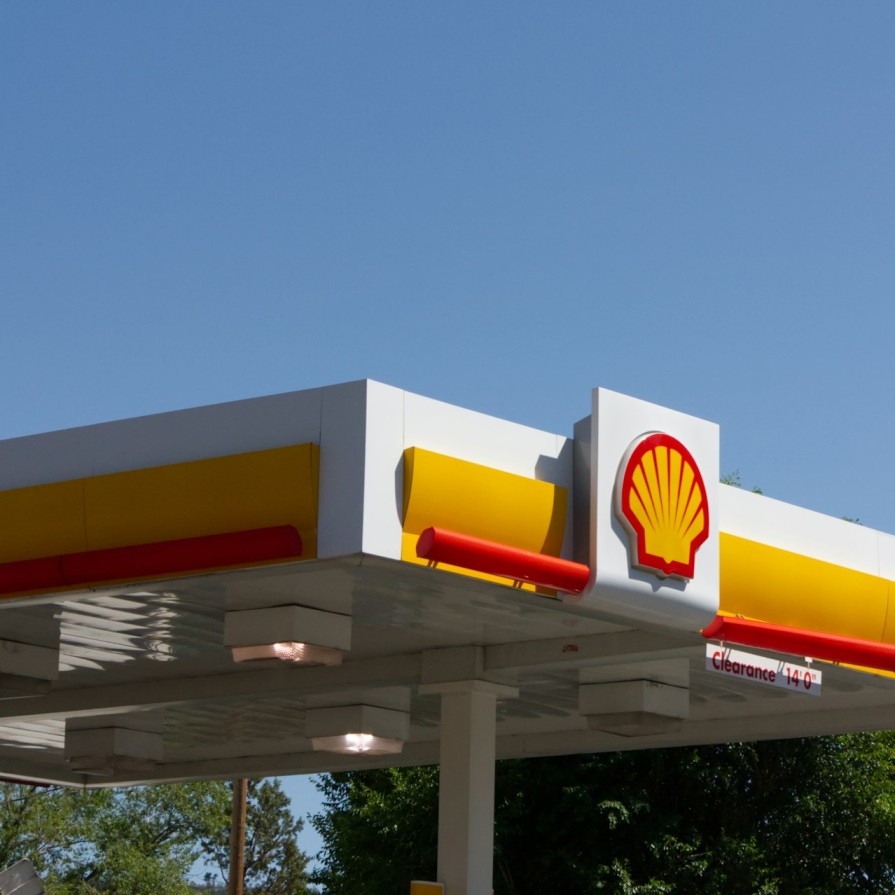
Global LNG Demand Projected to Surge 65% by 2050, Driven by South and Southeast Asia
Shell, one of the world's largest liquefied natural gas (LNG) traders, has released its "LNG Outlook 2026" report, revealing a significant forecast for the global energy landscape. According to the report, global LNG demand is expected to increase by 65% by 2050 compared to 2025 levels. This substantial growth trajectory, however, faces immediate challenges as the ongoing crisis in the Strait of Hormuz has temporarily slowed market expansion.
Current State of Global LNG Trading
The global LNG market reached a significant milestone in the previous year, with total LNG trading volumes amounting to 422 million tons. Despite strong expectations for robust growth in 2026, geopolitical tensions in the Middle East have disrupted approximately 20% of monthly global LNG supply. This disruption has pushed spot LNG prices to multi-year highs, causing potential customers across Asia to reassess their procurement strategies and long-term contracts.
The Strait of Hormuz, a critical chokepoint for global energy trade, has become a focal point of concern. As one of the world's most important strategic waterways, it facilitates the transit of approximately one-third of global LNG shipments. Any disruption to this route creates immediate ripple effects throughout the entire LNG value chain, from production facilities to end consumers.
Market Outlook for 2026
According to Shell's analysis, LNG trading volumes in 2026 are likely to remain stable compared to 2025 levels, contingent upon the resumption of normal LNG flows through the Strait of Hormuz during the upcoming summer season. However, the company warns that supply constraints could tighten further if restoration of normal shipping traffic experiences delays due to additional incidents in the region.
The market uncertainty has created a challenging environment for both LNG producers and consumers. Producers are navigating complex logistical challenges while consumers face price volatility and supply security concerns. This dynamic has led to increased interest in diversification strategies across the value chain, including alternative routing options, storage solutions, and contract structures that provide greater flexibility.
Qatar's Preparedness to Supply Global LNG Markets
Qatar, the largest LNG exporter in the Middle East and the second-largest globally, has taken proactive measures to ensure continued supply to global markets. The country has positioned its fleet of LNG carriers to facilitate the transportation of cargo out of the Persian Gulf and through the Strait of Hormuz. This strategic positioning demonstrates Qatar's commitment to maintaining supply stability despite regional tensions.
"In the coming weeks, production will return to normal, except for the damaged facility," stated Qatar's Prime Minister, Sheikh Mohammed bin Abdulrahman al-Thani, in an interview with Financial Times. This statement indicates that while most of Qatar's LNG production infrastructure remains operational, the recovery timeline depends on the normalization of maritime traffic conditions through the Strait of Hormuz.
Qatar's LNG infrastructure, particularly its massive North Field expansion project, positions the country to play a pivotal role in meeting the growing global demand. With its extensive production capacity and strategic location, Qatar is well-placed to capitalize on the long-term LNG market growth outlined in Shell's forecast.
Industry Resilience and Adaptation
The LNG industry has demonstrated remarkable resilience in the face of recent geopolitical challenges. "The conflict has created a system shock, disrupting all sectors of the economy, but the LNG industry has proven its strength and adaptability to changing market conditions," commented Cederic Cremers, President of Integrated Gas at Shell.
This resilience stems from several factors inherent to the LNG market structure. The global nature of LNG trade allows for flexibility in routing and sourcing alternatives. Additionally, the diverse customer base across different regions provides some insulation against localized disruptions. The industry's ability to redirect cargoes, utilize alternative export facilities, and adjust to changing demand patterns has been critical in maintaining market stability.
Cremers emphasized the importance of continued investment: "While more investment is needed in both supply infrastructure and demand, the long-term outlook remains strong, and LNG will continue to be a stable force in the global energy system." This perspective underscores the industry's confidence in the fundamental drivers of LNG demand and the critical role of natural gas in the global energy transition.
Global LNG Demand Projections
Shell's forecast projects that global LNG demand will increase to approximately 700 million tons per year by 2050, representing a 65% growth from the 422 million tons recorded in 2025. This growth trajectory reflects the increasing role of natural gas in the global energy mix, particularly in regions seeking to balance energy security, economic development, and environmental considerations.
The following table summarizes the projected growth in global LNG demand:
| Year | Total LNG Volume (million tons) | Growth Rate (%) |
|---|---|---|
| 2025 | 422 | - |
| 2050 | 700 | 65% |
Regional Demand Drivers
The projected growth in LNG demand is not uniform across all regions. Several key factors are driving increased consumption in specific markets:
- South and Southeast Asia: Rapid economic development, urbanization, and industrialization in countries like India, Vietnam, Indonesia, and the Philippines are creating substantial new demand for natural gas. These regions are increasingly turning to LNG to meet their growing energy needs while addressing air quality concerns.
- China: As the world's largest energy consumer, China continues to expand its LNG import infrastructure to diversify its energy mix and reduce reliance on coal. The country's environmental policies and economic growth trajectory are significant demand drivers.
- Middle East: Despite being a major hydrocarbon producer, the Middle East is experiencing growing domestic demand for natural gas to power desalination plants, industries, and electricity generation, necessitating increased LNG imports.
- Africa: Several African nations are developing LNG import capabilities to meet rising energy demands and support economic growth.
Implications for the Global Energy Landscape
The projected growth in LNG demand has profound implications for the global energy landscape. It underscores the critical role of natural gas in the energy transition, serving as a bridge fuel that can help reduce emissions while providing reliable energy to support economic development.
The increasing importance of LNG highlights the need for continued investment in the entire value chain—from production and liquefaction facilities to shipping infrastructure and regasification terminals. Additionally, the growing LNG market creates opportunities for technological innovation, particularly in areas such as floating storage and regasification units (FSRUs), small-scale LNG solutions, and carbon capture technologies.
As the global LNG market continues to evolve, geopolitical considerations will remain a critical factor. The Strait of Hormuz incident serves as a reminder of the vulnerabilities in global energy supply chains and the importance of diversification and risk management strategies.
Conclusion
Shell's LNG Outlook 2026 presents a compelling vision of the future for global LNG markets, with demand projected to grow substantially by 2050. While near-term challenges related to geopolitical tensions and supply disruptions persist, the long-term fundamentals supporting LNG demand remain strong.
The growth trajectory is particularly pronounced in South and Southeast Asia, where rapid economic development and energy transitions are driving increased consumption of natural gas. Qatar and other major LNG exporters are well-positioned to meet this growing demand, provided that supply chain challenges can be effectively managed.
As the world navigates the complexities of the energy transition, LNG is set to play an increasingly important role in providing reliable, lower-carbon energy to support global economic development. The resilience demonstrated by the LNG industry in the face of recent challenges underscores its capacity to adapt and thrive in an evolving energy landscape.