Identity Transformation: Brent Crude - The World's Benchmark Oil in a Naming Crisis
In an unprecedented event in oil industry history, the world's most important oil benchmark is undergoing an identity crisis. According to Reuters calculations based on loading schedules and data from LSEG, no Brent crude oil is scheduled to be loaded in August. This means the Brent benchmark - which underlies pricing for over 60% of international crude oil - is gradually disappearing. However, this disappearance is not due to Brent losing its importance, but rather because the original Brent field has been producing progressively less oil for decades.
The Decline of the Original Brent Field
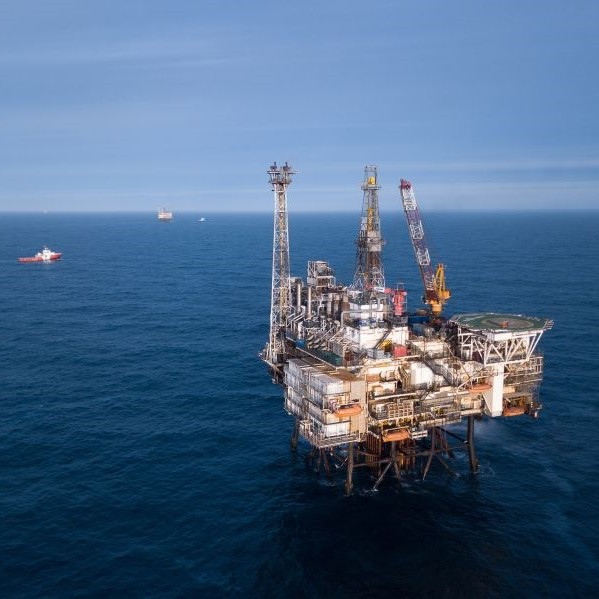
The Brent field, discovered in 1971 in the North Sea, was once one of the most significant oil fields in the world. However, what remains of the original Brent now averages just 23,000 barrels per day this year. This production level is equivalent to about one cargo per month and is less than a quarter of what it was a decade ago.
| Period | Brent Production (barrels/day) | Change (%) |
|---|---|---|
| Current (2024) | 23,000 | -75% |
| 10 years ago (2014) | ~90,000 | - |
| Peak production | ~500,000 | - |
The Reinvention of the Brent Benchmark
To counter this decline, the Brent benchmark has reinvented itself over many years. Today, Dated Brent is no longer just Brent oil but a blend of multiple different crude types:
- Forties
- Oseberg
- Ekofisk
- Troll
- Since 2023: US WTI Midland
This gradual shift has helped maintain the benchmark's liquidity even as oil carrying the Brent name becomes a historical footnote.
"What remains of Brent is just a brand," veteran oil trader Adi Imsirovic told Reuters. He's probably right. The original Brent crude may disappear completely, but the Brent benchmark will not.
Current Composition of the Brent Benchmark
| Crude Name | Origin | Year Added | Weight in Basket |
|---|---|---|---|
| Brent | North Sea | 1980s | ~30% |
| Forties | North Sea | 1980s | ~30% |
| Oseberg | North Sea | 1980s | ~20% |
| Ekofisk | North Sea | 1980s | ~10% |
| Troll | North Sea | 1990s | ~5% |
| WTI Midland | United States | 2023 | ~5% |
Geopolitical Significance in Current Context
Recent events in the Middle East have reinforced the importance of North Sea oil. During the Hormuz Strait crisis, refiners sought any type of oil that didn't need to pass through one of the world's most dangerous sea lanes. North Sea crudes, particularly Forties, became the most sought-after oils on the planet, with physical cargoes trading at record premiums to Brent futures.
This premium has gradually eased as cargoes stuck in the Persian Gulf have begun to depart. However, accessibility remains the key factor. Despite a ceasefire between the US and Iran, tanker traffic through Hormuz remains well below pre-war levels, with Iran still controlling vessel movements. The physical market continues to reflect that uncertainty even as futures markets have cooled.
The Future of the North Sea Region
Years of declining production, low exploration, penalties, and new permit bans have pushed one of the world's largest oil regions into managed decline.
UK government policies, including high carbon taxes and increasingly strict regulations, have made the North Sea oil sector less attractive to investors. This has led to reduced investment in exploration and development of new fields while accelerating production decline from existing fields.
However, as a global oil benchmark, Brent will continue to play a crucial role. Its adaptation by adding other crude oils to the basket has demonstrated its flexibility and resilience.
Conclusion
While the original Brent crude may eventually disappear completely, the Brent benchmark as a global price index will continue to exist. This change is not merely a story about the depletion of a natural resource, but also a testament to the energy market's adaptability to geopolitical and economic challenges.
Brent may lose its origin, but it does not lose its value or importance in the evolving global energy landscape. This identity transformation may represent a crisis, but it also presents an opportunity for this benchmark to continue evolving and adapting to the new energy world.