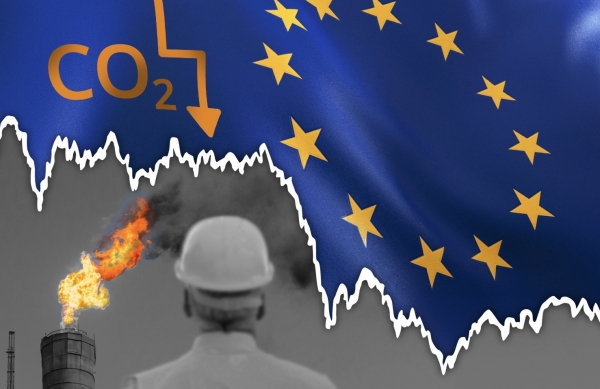
Why Major Oil and Gas Companies Are Blocking EU Methane Regulations
In the global effort to combat climate change, a silent battle is unfolding between major oil and gas corporations and European policymakers regarding regulations to cut methane emissions - one of the most potent greenhouse gases. This conflict represents a critical juncture in the transition toward a more sustainable energy future.
Methane: The Silent Climate Threat
Methane (CH4) ranks as the second most prevalent greenhouse gas after carbon dioxide (CO2), yet its global warming potential is alarmingly higher - up to 80 times more potent than CO2 over a 20-year period. According to the United Nations, reducing methane emissions presents the fastest opportunity to curb climate change in the short term. The oil and gas industry has been identified as one of the largest sources of anthropogenic methane emissions, resulting from extraction, transportation, and natural gas processing activities.
The atmospheric concentration of methane has been rising at an accelerating rate, with concentrations now exceeding pre-industrial levels by more than 150%. This trend has intensified concerns among climate scientists, who warn that unchecked methane emissions could push global warming beyond critical thresholds within the next decade.
EU's Proposed Methane Reduction Regulations
The European Union is implementing stringent measures aimed at reducing methane emissions from the energy sector by 30% by 2030 compared to 2020 levels. These comprehensive regulations include:
- Mandatory periodic leak detection and repair (LDAR) programs
- Bans on routine flaring (the burning off of excess natural gas)
- Requirements for reduced methane venting during equipment maintenance
- Transparent reporting of emissions data
- Enhanced monitoring of transmission and distribution networks
These regulations represent a critical component of the EU's broader strategy to achieve carbon neutrality by 2050 and align with the Paris Agreement commitments. The EU estimates that full implementation of these measures could reduce methane emissions by approximately 55 million tons annually by 2030.
Industry Response to Proposed Regulations
Despite the scientific consensus on methane's climate impact, major oil and gas corporations including ExxonMobil, Chevron, Shell, and BP, along with the United States government, have actively lobbied to weaken or delay these regulations. Their opposition has manifested through multiple channels:
- Direct lobbying of EU policymakers and member state governments
- Funding industry associations that advocate for regulatory relief
- Public relations campaigns emphasizing economic burdens
- Legal challenges to proposed regulatory frameworks
Industry representatives argue that methane control measures are excessively costly, technically challenging, and unnecessary given the ongoing energy transition. They contend that voluntary initiatives and technological innovation will achieve better results than top-down regulations.
Economic and Strategic Interests Behind the Opposition
The resistance to methane regulations stems from several interconnected economic and strategic factors that significantly impact the bottom lines of fossil fuel companies.
Financial Implications for Oil and Gas Companies
Implementing comprehensive methane abatement technologies requires substantial capital investment that oil and gas companies seek to avoid. Industry estimates suggest that global deployment of methane control measures could cost as much as $40 billion. For companies already facing pressure to divest from fossil fuels and transition toward cleaner energy alternatives, this represents a significant financial burden.
The costs associated with methane reduction include:
- Installation of advanced monitoring equipment
- Retrofitting existing infrastructure with low-emission technologies
- Increased operational maintenance requirements
- Training personnel in new emission control protocols
These expenses come at a time when many oil and gas companies are experiencing reduced profit margins due to market volatility and the global shift toward renewable energy sources.
Strategic Advantages for the United States
The U.S. government, initially supportive of methane reduction measures under President Biden, has relaxed federal regulations under pressure from the domestic energy industry, particularly from oil and gas-producing states like Texas and North Dakota. This shift creates competitive advantages for American producers, especially those involved in shale gas extraction.
By maintaining less stringent methane controls domestically, U.S. producers can offer natural gas at lower prices to European markets, potentially undermining the EU's climate objectives. The price differential becomes particularly significant when European operators are required to bear the full cost of methane abatement while their American competitors face fewer regulatory constraints.
Global Regulatory Arbitrage
Oil and gas companies have engaged in sophisticated lobbying campaigns, spending millions of dollars in both Brussels and Washington to influence policy outcomes. Their central argument posits that EU regulations would create a "domino effect," forcing companies to implement higher standards globally and increasing operational costs across their international operations.
This strategy of regulatory arbitrage allows companies to operate in jurisdictions with the most lenient environmental standards, maximizing profits while minimizing climate accountability. The fragmented regulatory landscape enables companies to shift investment toward regions with weaker methane controls, effectively undermining global emission reduction efforts.
Environmental Impact and Climate Commitments
The obstruction of methane regulations carries significant environmental consequences that could substantially impede global climate mitigation efforts. Methane's short atmospheric lifespan (approximately 12 years) means that rapid emission reductions could yield immediate climate benefits, making it a critical focus for near-term climate action.
Methane Emission Data and Industry Impact
Recent research indicates that the oil and gas sector is responsible for approximately 23% of global anthropogenic methane emissions. Within this sector, extraction, transportation, and processing of natural gas constitute the primary sources of emissions. Unintentional leaks from pipeline systems and equipment account for a substantial portion of total industry emissions.
Studies by the Institute for European Energy and Environment reveal that full implementation of methane reduction measures could help the EU achieve its 2030 greenhouse gas emission targets. The European Environment Agency estimates that current methane emissions from energy sources exceed reported figures by 30-40%, suggesting significant underreporting in official inventories.
Comparative Effectiveness of Emission Reduction Strategies
| Emission Reduction Measure | Cost (USD/ton CO2 equivalent) | Implementation Feasibility | Short-term Impact |
|---|---|---|---|
| Methane reduction | -50 to 500 | High | Very high |
| Renewable energy development | 50 to 200 | Moderate | Moderate |
| Energy efficiency improvements | 0 to 100 | High | Moderate |
| Carbon capture and storage | 100 to 300 | Low | Low |
The table illustrates that methane reduction offers the most cost-effective pathway to achieve substantial short-term emission reductions, particularly when considering the negative costs associated with capturing and utilizing methane that would otherwise be released into the atmosphere.
Stakeholder Perspectives
Major Oil and Gas Corporations
Leading oil and gas companies have publicly announced voluntary methane reduction initiatives while simultaneously lobbying against mandatory regulations. Shell and ExxonMobil claim to have invested billions of dollars in methane detection and reduction technologies. These corporations argue that voluntary commitments and targeted technological investments yield better results than blanket regulatory approaches.
Industry representatives emphasize that existing technologies can reduce methane emissions by up to 75% with proper implementation. They contend that a combination of operational best practices, technological innovation, and market-based incentives represents a more effective approach than prescriptive regulations. Some companies have even announced net-zero methane emission targets for 2030, though critics question the feasibility and verification mechanisms of these pledges.
Environmental Organizations
Environmental advocacy groups such as the Clean Air Task Force and Environmental Defense Fund maintain that voluntary commitments are insufficient without regulatory enforcement. They stress the need for mandatory requirements with robust monitoring mechanisms and clear accountability measures. These organizations have called for increased utilization of satellite sensing technology to provide transparent, independent verification of methane emissions.
Recent investigations have revealed significant discrepancies between reported and actual methane emissions, with some facilities emitting up to ten times more than officially declared. Environmental groups argue that only mandatory, independently verified reporting can address these discrepancies and ensure meaningful emission reductions.
European Union Institutions
The European Commission remains steadfast in its position that methane regulations are essential to achieving climate objectives. EU officials emphasize that methane control represents one of the most effective short-term strategies for reducing greenhouse gas emissions. Member states including Germany, France, and the Netherlands have expressed strong support for stringent methane regulations, though some Eastern European nations have voiced concerns about implementation costs.
The EU's regulatory framework includes provisions to address the specific circumstances of smaller operators and developing regions, recognizing the need for a differentiated approach across member states. The European Commission has also established a Methane Strategy that coordinates regulatory measures with international initiatives to ensure global coherence in methane reduction efforts.
Future of Methane Emission Regulations
The ongoing conflict between oil and gas interests and EU policymakers continues to evolve, with significant implications for global climate action. Despite industry opposition, momentum toward mandatory methane regulation appears to be growing internationally.
Projected Implementation Timeline
Based on current political and economic developments, analysts predict that the EU will maintain most of its methane emission regulations, though potential adjustments may be made to reduce administrative burdens for smaller operators. Negotiations between the European Commission and member states regarding implementation timelines and stringency levels remain ongoing.
The first phase of regulations is expected to take effect in 2025, with full implementation by 2030. Key elements likely to be retained include mandatory leak detection and repair programs, restrictions on routine flaring, and enhanced reporting requirements. However, some flexibility may be introduced regarding the pace of implementation for certain technologies in regions with limited infrastructure.
Global Implications and Spillover Effects
The EU's implementation of stringent methane regulations is likely to create a ripple effect, encouraging other nations to adopt similar standards. This development is particularly significant in the lead-up to COP28, where methane reduction is expected to be a central theme. Major methane-producing nations such as Canada, Australia, and several Middle Eastern countries have already signaled interest in developing comparable regulatory frameworks.
Oil and gas corporations are increasingly recognizing that compliance with higher standards may enhance their reputation during the energy transition. Some forward-looking companies have begun implementing methane reduction measures ahead of regulatory requirements, positioning themselves as industry leaders in environmental responsibility.
Technological Innovation and Market Transformation
The regulatory push is accelerating innovation in methane detection and abatement technologies. Advances in satellite monitoring, ground-based sensors, and predictive analytics are enabling more precise identification and quantification of emissions. Meanwhile, improvements in compressor technology, valve design, and pipeline infrastructure are reducing fugitive emissions across the industry.
These technological advancements are creating new market opportunities for specialized environmental technology firms while transforming operational practices within oil and gas companies. The convergence of regulatory pressure and technological innovation is driving a fundamental shift in how the industry approaches methane management, moving from reactive compliance to proactive emission prevention.
Conclusion
The conflict surrounding EU methane regulations reflects a fundamental tension between short-term economic interests and long-term environmental responsibilities. Despite the industry's resistance, scientific evidence increasingly supports the urgent need for methane emission reductions to avoid the most severe impacts of climate change.
The decisions made in the coming months will not only shape the future of the oil and gas industry but also influence the pace of global energy transition. As methane emerges as a critical focus for climate action, the regulatory approaches developed in Europe may establish precedents for international climate policy.
Ultimately, the effective reduction of methane emissions represents a pragmatic opportunity to achieve substantial near-term climate benefits while longer-term transitions toward renewable energy sources continue to develop. The outcome of this regulatory battle will be a telling indicator of the global community's commitment to addressing climate change with the urgency that science demands.
Keywords: Methane, EU Regulations, Oil and Gas Industry, Climate Change, Energy Transition, Greenhouse Gas Emissions