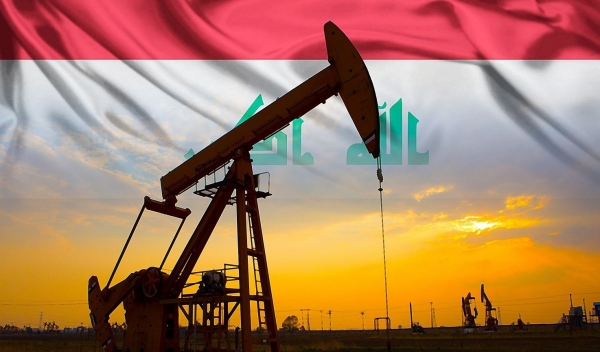
Iraq's Threat to Exit OPEC: A Potential Game-Changer for Global Oil Markets
The Organization of the Petroleum Exporting Countries (OPEC) is currently facing an internal crisis of unprecedented proportions as Iraq, the bloc's second-largest oil producer, has issued stark warnings about its future within the organization. In a move that could reshape the global oil landscape, Iraq has threatened to withdraw from OPEC unless the organization increases its crude oil production quota. This development comes at a critical time when global energy markets are already navigating through complex geopolitical and economic challenges.
The Current State of OPEC
For decades, OPEC has served as the primary regulatory body for global oil production and pricing. Through coordinated production adjustments, the organization has historically maintained significant influence over international oil markets. However, persistent disagreements among member states regarding production strategies have recently escalated into visible tensions within the organization.
These internal conflicts have been exacerbated by the COVID-19 pandemic, which dramatically reduced global oil demand, and subsequent geopolitical tensions affecting supply chains. The organization has struggled to maintain unity as member states face differing economic pressures, domestic requirements, and strategic priorities.
Iraq's Position and Demands
Iraq has been particularly vocal about its concerns regarding production limitations. The nation, which has been grappling with economic challenges and reconstruction needs following decades of conflict, argues that its current production quota does not adequately reflect its capacity or its economic requirements.
"We need to increase our production to meet our domestic needs and support our economic recovery," stated a high-ranking Iraqi official who requested anonymity. "While we value our partnership within OPEC, our national interests must take precedence, and we cannot accept a system that constrains our development."
Furthermore, Iraq has pointed out the perceived inconsistency in production allocations, noting that other major producers like Saudi Arabia have maintained significantly higher production levels without facing similar constraints. This has led to growing resentment among Iraqi officials who feel the organization's policies disproportionately affect their economic recovery efforts.
Historical Context: Iraq's Relationship with OPEC
Iraq's relationship with OPEC has been complex since its inception in 1960. The country has previously suspended its membership during periods of conflict and political upheaval. Most notably, Iraq withdrew from OPEC in 1959 and rejoined in 1972, and again suspended participation during the Gulf War in the early 1990s.
These historical precedents make the current threat particularly significant, as they demonstrate Iraq's willingness to take bold actions when it perceives its interests are not adequately represented within the organization. The potential departure of such a major producer would mark a significant departure from the current OPEC structure.
Potential Implications for Global Oil Markets
The potential exit of Iraq from OPEC could trigger a series of transformative changes in the global oil market. Industry analysts have identified several potential consequences that could reshape the energy landscape:
- Diminished OPEC Influence: The departure of the second-largest producer would significantly reduce OPEC's collective market share and its ability to unilaterally influence global oil prices.
- Increased Market Volatility: Without Iraq's participation in OPEC's production agreements, market coordination would become more challenging, potentially leading to greater price fluctuations.
- Supply Chain Disruptions: Iraq's potential increase in production to meet its own economic needs could flood the market, affecting global supply-demand dynamics.
- Geopolitical Shifts: Other oil-producing nations might reassess their relationships with OPEC, potentially leading to a broader realignment of global energy alliances.
- Price Impacts: The uncertainty surrounding Iraq's status could create immediate market reactions, with prices potentially experiencing increased volatility.
Expert Analysis and Predictions
Energy market experts have offered diverse perspectives on the potential outcomes of Iraq's threat to exit OPEC. Dr. Aisha Hassan, an energy economist at the Global Energy Institute, commented: "Iraq's position reflects a growing trend among OPEC members to prioritize national interests over collective action. If Iraq follows through on its threat, we could see a fragmentation of the organization that would fundamentally change how global oil markets operate."
Conversely, some analysts suggest that the threat may be a strategic negotiation tactic rather than a genuine intention to leave. "Historically, Iraq has used similar threats to leverage better terms within OPEC," noted James Robertson, senior analyst at Energy Intelligence. "The organization may ultimately accommodate Iraq's demands to maintain unity, especially as it faces increasing competition from non-OPEC producers."
The International Energy Agency (IEA) has also weighed in, suggesting that while Iraq's departure would create short-term market disruptions, the long-term impact might be less severe if other producers adjust their output accordingly. However, the IEA emphasized that the uncertainty itself could have significant implications for investment decisions in the energy sector.
Comparative Analysis of OPEC Production Capacities
The following table provides a comparison of crude oil production capacities among major OPEC members, highlighting Iraq's significant position within the organization:
| Country | Daily Production (Million Barrels) | Global Market Share (%) | Reserve-to-Production Ratio (Years) |
|---|---|---|---|
| Saudi Arabia | 10.5 | 13.2 | 70.4 |
| Iraq | 4.5 | 5.7 | 142.9 |
| Iran | 3.5 | 4.4 | 95.8 |
| UAE | 3.0 | 3.8 | 97.9 |
| Kuwait | 2.8 | 3.5 | 105.4 |
| Venezuela | 2.3 | 2.9 | 347.8 |
The data clearly illustrates Iraq's significant production capacity and its crucial role within OPEC. The country's substantial reserves and increasing production capabilities make its potential departure particularly consequential for global oil markets.
Broader Implications for Global Energy Politics
The situation with Iraq and OPEC reflects broader shifts in global energy politics. As the world transitions toward renewable energy sources, traditional oil-producing nations are facing increasing pressure to adapt their economic models. This transition has created tensions between short-term economic needs and long-term sustainability goals.
Additionally, the rise of non-OPEC producers, particularly the United States, has altered the dynamics of global oil markets. The increased influence of market forces versus coordinated production management has created a more complex and unpredictable energy landscape.
Conclusion: A Defining Moment for OPEC
The current crisis within OPEC, particularly Iraq's threat to exit, represents a potentially defining moment for the organization and global oil markets. The outcome of this situation could reshape the balance of power in energy production and pricing for years to come.
For consumers and investors, this development underscores the importance of closely monitoring energy market dynamics. The potential increased volatility and structural changes could have significant implications for global economic stability and energy security.
As negotiations continue, the international community watches with anticipation to see whether OPEC can adapt to these challenges and maintain its relevance in an evolving energy landscape, or whether this moment will mark the beginning of a new era in global oil markets characterized by greater fragmentation and competition.