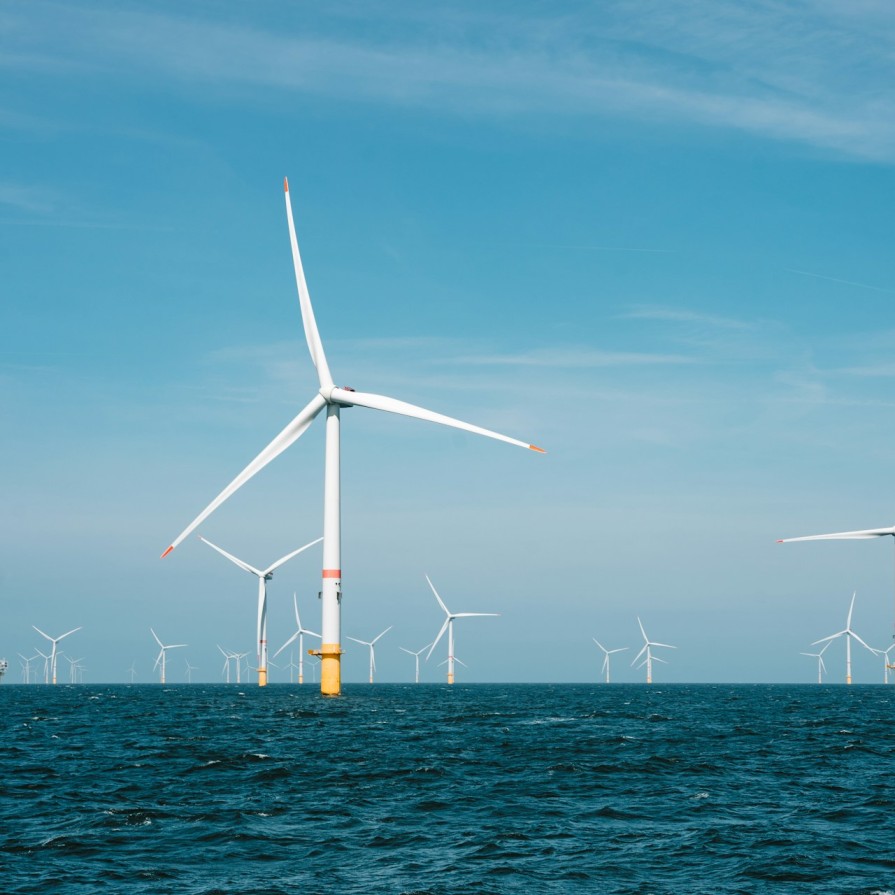
Equinor Halts Offshore Wind Operations in Japan Amid Strategic Realignment
In a significant move that underscores the evolving global energy landscape, Equinor, one of Norway's largest energy corporations, has announced its withdrawal from the Japanese offshore wind market. The company plans to cease its offshore wind business operations in Japan and will close its Tokyo office by the end of this year. This strategic pivot reflects Equinor's broader reevaluation of its business focus, shifting emphasis toward integrated energy markets rather than traditional oil and gas dominance.
Strategic Reorientation Toward Integrated Energy Markets
In a statement released on Friday, Equinor clarified that this decision marks a reassessment of the company's strategic direction with a stronger focus on integrated energy markets. "This decision reflects a reassessment of Equinor's strategic direction with a stronger focus on integrated energy markets," the company stated. Despite withdrawing from the Japanese offshore wind sector, Equinor emphasized that Japan remains a significant country for the company, and it will continue to invest in long-term relationships with Japanese enterprises across various domains including technology development, commodities, capital markets, and the entire supply chain.
This strategic shift comes as Equinor, like many major energy companies, navigates the complex transition toward more diversified energy portfolios. The company is positioning itself to capitalize on opportunities in markets where it can leverage its expertise across multiple energy segments rather than specializing in offshore wind alone.
Historical Footprint in the Japanese Energy Sector
Equinor first signaled its ambitions in offshore energy during the late 2010s, establishing a formal presence in Japan's offshore wind market in 2018. The company demonstrated its commitment to the Japanese market in 2020 when it formed partnerships with local industry leaders Jera and J-Power to jointly participate in Japan's offshore wind energy auctions.
These collaborations represented a significant investment in Japan's renewable energy future, as the country seeks to diversify its energy mix and reduce dependence on imported fossil fuels. Japan, with its extensive coastline and technological capabilities, represents substantial potential for offshore wind development.
Despite these promising beginnings, Equinor has yet to secure any contracts in Japan's offshore wind auctions. The company's inability to penetrate this market highlights the competitive challenges and regulatory hurdles that even major international energy firms face when entering new renewable energy sectors.
Market Challenges and Industry Headwinds
The Japanese offshore wind industry has encountered significant obstacles, exemplified by Mitsubishi Corporation's abandonment of plans to develop three offshore wind projects. The conglomer cited unexpected changes and mounting market challenges as reasons for its withdrawal.
The global business environment for offshore wind has transformed dramatically since Mitsubishi was selected as the operator for these projects in December 2021. "The business environment for offshore wind has changed significantly globally due to factors such as tight supply chains, inflation, exchange rates, and rising interest rates," Mitsubishi noted in its announcement last summer.
These challenges are not unique to Japan but reflect broader industry-wide difficulties that have affected offshore wind projects worldwide. The combination of supply chain disruptions, inflationary pressures, and increased financing costs has created a more challenging economic environment for renewable energy projects that previously seemed economically viable.
Global Operations and Market Prioritization
Equinor remains actively engaged in offshore wind markets across the United Kingdom, Poland, and Norway, demonstrating its continued commitment to renewable energy development in these regions. This focused approach contrasts with the company's withdrawal from other European markets including Spain, Portugal, and France.
At the Capital Markets Day held earlier this month, Equinor outlined its strategy of concentrating growth ambitions in selected markets and segments where integration with diverse energy products can be achieved. This targeted approach allows the company to allocate resources more efficiently and build competitive advantages in specific regions rather than attempting to maintain a global presence across all markets.
The company's operational footprint in offshore wind reflects this strategic prioritization, with resources concentrated in markets where regulatory frameworks are more mature, supply chains are more established, and economic returns are more predictable.
Future Strategic Direction and Core Pillars
Building a competitive integrated energy business stands as one of the central pillars in Equinor's latest strategic framework. The company has articulated several key objectives that will guide its future development:
- Maximizing oil and gas production offshore Norway
- Expanding international oil and gas operations
- Creating additional value through trading and market optimization
- Developing integrated energy solutions across multiple sectors
This multifaceted approach allows Equinor to maintain its traditional energy strengths while simultaneously positioning itself for growth in emerging energy markets. The company's strategy recognizes that the energy transition will not occur overnight and that a balanced portfolio of traditional and renewable energy assets will be necessary during the transition period.
| Business Operation | Status | Market |
|---|---|---|
| Offshore Wind - Japan | Discontinued | Japan |
| Offshore Wind - United Kingdom | Active | United Kingdom |
| Offshore Wind - Poland | Active | Poland |
| Offshore Wind - Norway | Active | Norway |
| Offshore Wind - Spain | Discontinued | Spain |
| Offshore Wind - Portugal | Discontinued | Portugal |
| Offshore Wind - France | Discontinued | France |
Industry Implications and Market Evolution
Equinor's withdrawal from the Japanese offshore wind market extends beyond the company's immediate business operations, reflecting broader transformations in global energy strategy. Major energy companies are increasingly reassessing their renewable energy portfolios in response to changing market conditions, regulatory environments, and economic realities.
This realignment suggests that the renewable energy sector, while still critical to the global energy transition, is experiencing a period of maturation where economic viability and market-specific factors are receiving greater emphasis alongside environmental considerations. Companies like Equinor are recognizing success in renewable energy requires not just technological capability but also market-specific expertise, local partnerships, and realistic economic models.
The Japanese energy market, in particular, presents unique challenges due to its existing energy infrastructure, regulatory frameworks, and the need to balance renewable energy development with energy security considerations. These factors may have contributed to Equinor's decision to refocus its resources in markets with more established renewable energy frameworks.
Conclusion: Navigating the Energy Transition
Equinor's strategic withdrawal from the Japanese offshore wind market exemplifies the careful balancing act major energy companies must perform during the global energy transition. While maintaining commitment to renewable energy development, the company is simultaneously optimizing its portfolio to concentrate resources in markets where it can achieve the greatest integration and competitive advantage.
As the energy sector continues to evolve, companies like Equinor are likely to pursue increasingly sophisticated strategies that leverage their traditional energy strengths while developing new capabilities in renewable and integrated energy solutions. The Japanese market, despite Equinor's withdrawal, remains significant in the global energy landscape, and other companies may yet find success where the Norwegian energy giant has chosen to step back.
The broader message from Equinor's strategic realignment is clear: the energy transition is not a simple shift from fossil fuels to renewables but a complex transformation requiring careful navigation of market-specific challenges, economic considerations, and technological capabilities. Companies that successfully integrate these diverse elements will be best positioned for success in the emerging energy landscape.