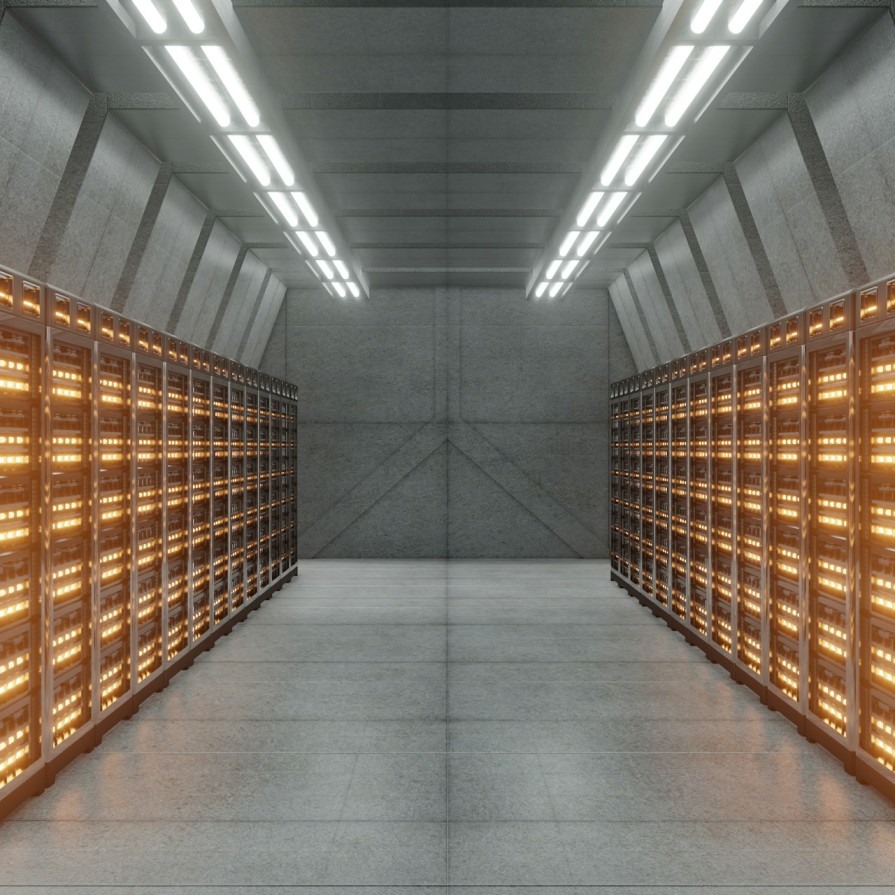
The Future of Energy in Data Centers: The Shift to Fuel Cells
Data center developers are racing to find reliable energy sources, abandoning congested grids in favor of on-site fuel cells. Research and analysis from Rystad Energy predict that the fuel cell market revenue will grow tenfold by 2030, from approximately $2.8 billion in 2025 to around $30 billion, driven by AI computing demands fueling unprecedented growth in data center construction.
Strong Growth in the Fuel Cell Industry
Contracted orders total approximately 9 gigawatts (GW), including framework agreements with Oracle, AEP, Equinix, and Brookfield, showing increasing confidence from major operators in fuel cells as a viable long-term energy source. Grid interconnection times in the US have tripled since 2015, now extending from three to six years for large loads.
Rystad Energy research projects cumulative fuel cell demand from data centers will reach 10.4 GW in the 2026-2030 period, with about 40% of US data center capacity expected to pursue on-site power generation rather than grid connectivity.
Advantages of Fuel Cells Over Traditional Grid Power
- Fuel cells can be deployed quickly and run on current natural gas.
- Can transition to biogas, renewable natural gas, or hydrogen as supply matures.
- Reduce on-site emissions compared to other combustion alternatives.
North America is expected to account for 91% of global on-site power generation capacity, thanks to a combination of grid delays, federal tax incentives, and an established domestic supply chain.
Challenges in the Supply Chain
Energy availability has become one of the key factors limiting data center development, with operators increasingly seeking off-grid solutions. Fuel cells have transitioned from a niche application to a significant part of the stable energy mix.
Lein Mann Bergsmark, Vice President of Clean Technology Supply Chain Research at Rystad Energy, noted: "The question now is whether the supply chain can scale at the same pace as demand."
Expanding Fuel Cell Production
Fuel cell manufacturers are expanding capacity to meet demand. Current and projected production output is on track to reach 4 GW per year by 2030, up from 1.8 GW currently. Solid Oxide Fuel Cells (SOFC) have become the dominant technology for always-on data center power sources, accounting for approximately 53% of total fixed deliveries to date.
Bloom Energy holds most of the SOFC firm-load contracts in the current order book, a concentration that could create supply chain risks if demand grows faster than a single manufacturer's production capacity.
Risks from Scandium Supply Chain
This concentration also occurs at the material level. Bloom Energy's SOFC technology depends on scandium, a critical metal used in its electrolyte chemistry. When maximizing production expansion to 2 GW, Bloom's theoretical scandium requirement would nearly equal the size of the entire global market, currently estimated at around 60 tons per year. This bottleneck is further exacerbated by the fact that China heavily controls the global scandium supply chain.
Competitors using alternative electrolyte chemistry do not face this risk, and prolonged supply constraints could affect how market share develops as the industry expands. Rystad Energy projects that SOFC system costs will decrease by 20% to 25% by 2030, though the pace will depend on manufacturers' ability to reduce costs across the entire delivered system, not just the fuel cell stack.
Summary of On-Site Power Demand Projections
| Year | Fuel Cell Market Revenue (Billion USD) | Cumulative Fuel Cell Demand (GW) |
|---|---|---|
| 2025 | 2.8 | - |
| 2030 | 30 | 10.4 |
With this significant transformation, the fuel cell industry promises to become an important component in the future energy landscape of data centers.
#Energy #FuelCells #DataCenters #RystadEnergy #CleanTechnology