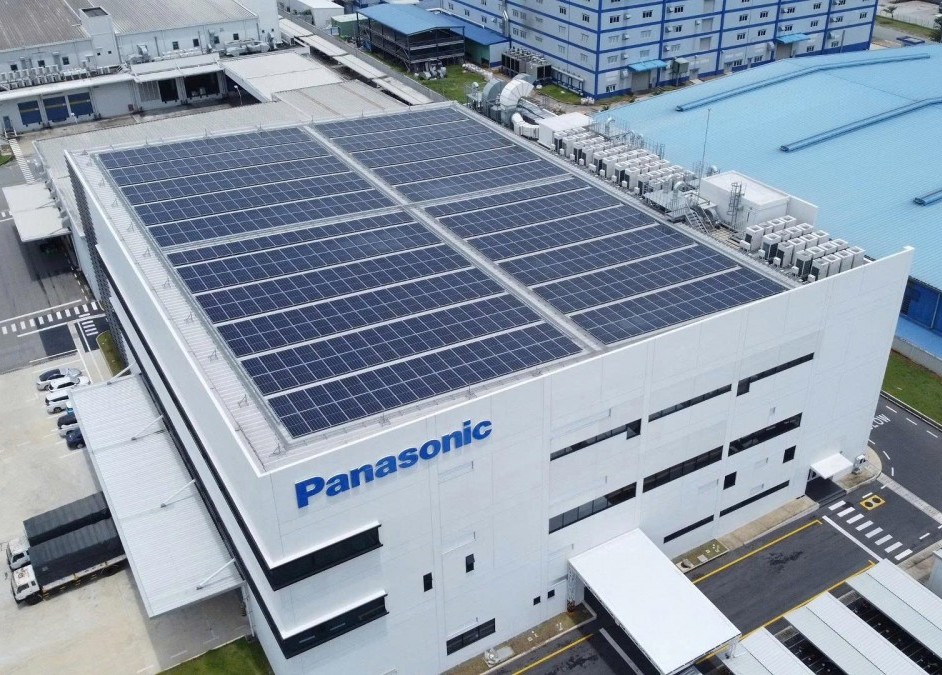
Panasonic's Japanese-Standard Solar Solutions for Vietnamese Households with 50-Year Growth Strategy
Panasonic Electric Works Vietnam, a key member of Panasonic Holdings Corporation, has made a significant strategic move in the Vietnamese market by expanding its portfolio from traditional electrical building equipment to renewable energy solutions. This milestone represents an important development in the Japanese brand's journey in Vietnam, with a long-term goal of sustainable growth over the next 50 years.
Strategic Expansion into Renewable Energy
Amid the global energy transition and the growing trend toward sustainable development, Panasonic has identified Vietnam as a key market for its renewable energy strategy. The first step in this strategy involves developing residential and commercial rooftop solar solutions – not merely as an expansion of product offerings but as a manifestation of the corporation's long-term vision.
"We see tremendous potential in Vietnam's renewable energy market, particularly in solar power. With over 100 years of experience in electronics and technology, Panasonic is confident in bringing high-quality, high-performance, and reliable solutions to Vietnamese consumers," said Mr. Nguyen Van A, General Director of Panasonic Electric Works Vietnam, at the product launch event.
Japanese-Standard Solar Power Solutions
Panasonic's rooftop solar solution is developed based on advanced Japanese technology, focusing on three main aspects: high efficiency, exceptional durability, and optimal design for Vietnam's climate conditions.
- Solar modules: Utilize high-efficiency monocrystalline cells achieving conversion efficiency of up to 22.5%, operating effectively even in low-light conditions.
- Inverters: MPPT (Maximum Power Point Tracking) technology optimizes energy harvested from sunlight, minimizing energy loss.
- Energy storage systems: Optional high-end lithium-ion batteries allow utilization of solar power even without sunlight, ensuring stable 24/7 electricity supply.
- Remote monitoring: Mobile application enables users to monitor power generation, system status, and manage energy consumption anytime, anywhere.
Vietnam's Solar Market: Potential and Challenges
Vietnam is recognized as one of the most promising markets for solar development in Southeast Asia, with over 300 sunny days per year. The government has implemented numerous policies to encourage renewable energy development, including Feed-in Tariff (FIT) mechanisms and tax incentives.
However, the market also faces several challenges:
- Inconsistent quality of solar power systems in the market
- Lack of technically skilled workforce
- Electrical grid infrastructure not fully accommodating distributed solar systems
- Consumer hesitation regarding initial investment costs
Benefits for Households and Businesses
Panasonic's solar solution offers numerous practical benefits for users:
| Target Audience | Benefits |
|---|---|
| Households |
|
| Businesses |
|
Panasonic's 50-Year Long-Term Strategy in Vietnam
The expansion into renewable energy reflects Panasonic's long-term commitment to the Vietnamese market. The corporation aims for sustainable growth over the next 50 years, focusing on:
- R&D Investment: Developing advanced renewable energy technologies suitable for Vietnam's specific conditions
- Ecosystem Building: Establishing a comprehensive distribution, installation, and maintenance network nationwide
- Workforce Development: Collaborating with universities and training institutions to develop high-quality human resources
- Sustainable Development: Aligning with Vietnam's and the region's sustainable development goals
Solar Energy Support Policies in Vietnam
| Policy | Content | Applicable Subjects |
|---|---|---|
| Decision 13/2021/QD-TTg | Tax incentives on import duty, corporate income tax, and VAT for solar power projects | Rooftop solar and ground-mounted solar projects |
| Decision 11/2022/QD-TTg | Support for installation costs of rooftop solar systems | Households, cooperatives, and collective groups |
| Decree 16/2021/ND-CP | Permission to sell excess electricity to the national grid | Households and businesses with rooftop solar systems |
Market and Expert Reactions
Panasonic's entry into Vietnam's solar energy market has garnered significant attention from both consumers and industry experts.
"The participation of a major brand like Panasonic will enhance the overall quality of Vietnam's solar energy market. Panasonic's technology and experience will bring new standards of quality and reliability," commented Dr. Tran Thi B, a renewable energy expert.
However, some experts have expressed concerns about Panasonic's competitiveness in a market with established solar brands offering more competitive prices.
Conclusion
Panasonic Electric Works Vietnam's strategic move into solar energy represents not just product diversification but also demonstrates the corporation's long-term vision for the Vietnamese market. With Japanese-standard technology, quality commitments, and a 50-year sustainable growth strategy, Panasonic aims to establish a leading position in Vietnam's premium solar energy segment.
In the context of Vietnam's intensified shift to clean energy and its net-zero target by 2050, the involvement of major technology corporations like Panasonic is seen as a crucial driver for renewable energy development in the country.