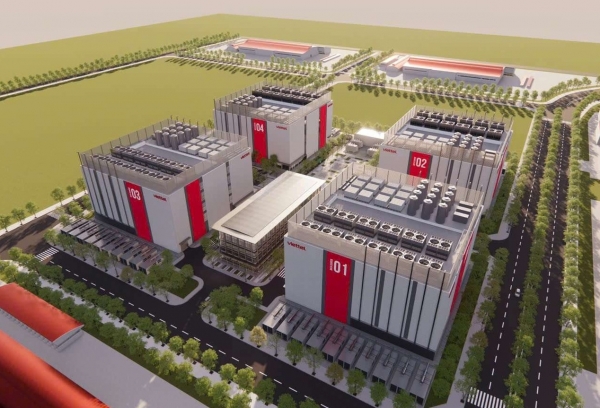
Experts Reveal Effective Solutions for Reducing Electricity Consumption in Data Centers
The rapid expansion of artificial intelligence (AI), cloud computing, and the digital economy has created an increasing demand for the development of data centers across Vietnam. However, these facilities represent some of the most energy-intensive infrastructure, presenting an urgent need for effective energy consumption solutions that span from initial design and operation through to the implementation of standardized technical systems.
1. Current Landscape of Electricity Consumption in Data Centers
Data centers today face significant challenges regarding electricity consumption. Research indicates that a large-scale data center can consume up to several million kWh annually. This not only translates to substantial costs but also has considerable environmental implications.
| Data Center Type | Annual Electricity Consumption (kWh) |
|---|---|
| Small Data Center | 50,000 - 100,000 |
| Medium Data Center | 500,000 - 1,000,000 |
| Large Data Center | 1,000,000 - 5,000,000 |
The energy consumption in data centers primarily comes from two sources: IT equipment (servers, storage, networking) and cooling systems. On average, cooling systems account for approximately 40% of total energy consumption, while IT equipment consumes about 60%. This distribution highlights the critical importance of implementing efficient cooling solutions.
2. Comprehensive Solutions for Reducing Electricity Consumption
Industry experts have proposed several strategic approaches to minimize electricity consumption in data centers:
- Architectural Design Optimization: Implementing energy-efficient architectural designs that minimize energy usage. This includes using thermal insulation materials and natural ventilation systems to maintain optimal temperatures within the facility. Advanced building management systems can dynamically adjust temperature and airflow based on real-time needs.
- Advanced Cooling Technologies: Implementing state-of-the-art cooling solutions such as liquid cooling or air-side economization. These technologies can reduce cooling energy consumption by up to 40% compared to traditional air conditioning systems. Free cooling techniques, which use outside air when conditions permit, offer significant energy savings.
- Energy Management Systems: Deploying sophisticated energy management software to monitor and optimize electricity consumption in real-time. These systems can identify inefficiencies, predict energy demands, and automatically adjust equipment operations to minimize waste. Machine learning algorithms can further enhance these systems by learning patterns and optimizing accordingly.
- Transition to Renewable Energy Sources: Encouraging the adoption of solar or wind energy to reduce dependence on non-renewable grid power. Many forward-thinking data centers are now installing solar panels on rooftops and surrounding areas, with some achieving 30-50% of their energy needs from renewables. Power purchase agreements (PPAs) with renewable energy providers offer another pathway to clean energy adoption.
- Staff Training Programs: Investing in comprehensive training for personnel on efficient equipment usage and technology implementation. Well-trained operators can optimize system performance, identify potential issues before they escalate, and implement best practices that collectively reduce energy consumption by 10-15%.
- Server Virtualization and Consolidation: Utilizing virtualization technologies to maximize server utilization rates, which typically run below 30% in traditional data centers. Virtualization can increase utilization to 70-80%, significantly reducing the number of physical servers needed and their associated energy consumption.
- High-Efficiency Hardware: Upgrading to energy-efficient servers, storage systems, and networking equipment that deliver better performance per watt. Modern servers with advanced power management features can reduce energy consumption by 20-30% compared to older models.
3. Benefits of Reducing Electricity Consumption
The implementation of energy efficiency measures in data centers yields multiple advantages that extend beyond simple cost savings:
- Environmental Impact Reduction: Lower electricity consumption directly translates to reduced carbon emissions, contributing to environmental protection and sustainability goals. A typical large data center implementing comprehensive energy efficiency measures can reduce its annual carbon footprint by thousands of metric tons.
- Operational Efficiency and Equipment Longevity: Optimized energy usage improves overall operational efficiency and extends the lifespan of critical equipment. Proper temperature and humidity control reduce thermal stress on components, decreasing failure rates and maintenance costs.
- Enhanced Corporate Reputation: Energy-efficient data centers enhance corporate reputation among environmentally conscious customers and partners. Companies demonstrating commitment to sustainability gain competitive advantage in the marketplace and attract like-minded business relationships.
- Regulatory Compliance: As governments worldwide implement stricter energy efficiency and carbon emission regulations, proactive energy management ensures compliance and avoids potential penalties. Many countries now offer incentives and tax benefits for energy-efficient data center operations.
- Resilience and Reliability: Energy-efficient systems often incorporate redundancy and advanced monitoring, improving overall facility resilience and reliability. This reduces the risk of costly downtime and service interruptions.
4. Implementation Strategies and Future Outlook
Successful implementation of energy efficiency solutions requires a strategic approach that considers both immediate improvements and long-term planning:
- Energy Audits and Baseline Assessment: Conduct comprehensive energy audits to establish a baseline of current consumption and identify specific areas for improvement. Regular monitoring ensures continuous optimization.
- Phased Implementation: Prioritize solutions based on return on investment and impact potential. Start with high-impact, low-cost measures before investing in more comprehensive infrastructure changes.
- Industry Collaboration: Engage with industry associations and standards organizations to stay informed about best practices and emerging technologies. Participation in industry working groups can provide valuable insights and networking opportunities.
- Policy Development: Advocate for supportive policies and incentives at governmental levels. Industry collaboration can help shape regulations that encourage energy efficiency while maintaining operational flexibility.
Looking ahead, several trends are expected to further influence data center energy consumption:
- The integration of AI for predictive energy management and autonomous optimization
- Advancements in liquid cooling technologies for high-density computing environments
- Increased adoption of edge computing to reduce the need for large centralized facilities
- Development of standardized metrics and benchmarks for data center efficiency
- Growing emphasis on circular economy principles, including equipment recycling and reuse
5. Conclusion
As technology continues to advance and data demands escalate, optimizing electricity consumption in data centers has become a critical factor for sustainable development. The solutions presented by experts not only offer significant cost savings but also contribute to environmental preservation and corporate social responsibility objectives.
The Vietnamese data center industry stands at a pivotal moment where strategic implementation of energy efficiency measures can position it as a regional leader in sustainable technology infrastructure. By adopting these recommendations, data center operators can achieve operational excellence while contributing to Vietnam's broader digital transformation goals and environmental commitments.
The journey toward energy efficiency requires commitment, investment, and continuous improvement, but the long-term benefits—both economic and environmental—make it an essential priority for the future of data centers in Vietnam and beyond.