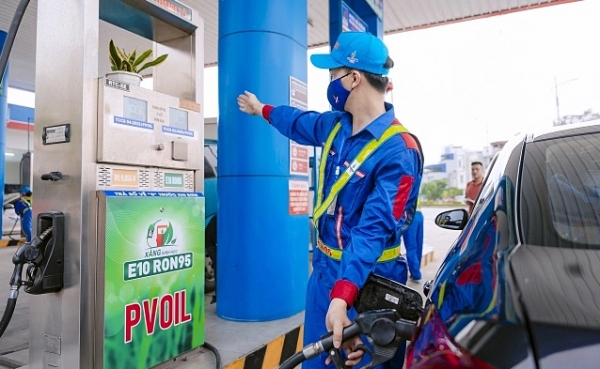
Gasoline Prices Experience Sharp Decline: E10 Drops Below 20,000 VND/Liter for First Time
At 3:00 PM on June 25, retail prices of petroleum products in Vietnam were significantly reduced. This adjustment follows the downward trend in global energy markets, bringing positive signals for consumers. Notably, the price of E10 RON95 III gasoline has returned below the 20,000 VND/liter threshold for the first time after months of fluctuations, marking a significant milestone for fuel consumers in the country.
Detailed Price Adjustments
The latest price revision represents one of the most substantial reductions in fuel costs this year. According to the Ministry of Industry and Trade's latest announcement, all major fuel types have experienced notable price decreases, with the most significant impact seen in biofuel blends and conventional gasoline products.
| Fuel Type | Price Before Adjustment (VND/liter) | Price After Adjustment (VND/liter) | Change (VND/liter) |
|---|---|---|---|
| E10 RON95 III | 21,500 | 19,900 | -1,600 |
| RON95 | 22,000 | 20,500 | -1,500 |
| Diesel | 19,500 | 18,000 | -1,500 |
| Kerosene | 18,000 | 16,500 | -1,500 |
Factors Behind the Price Reduction
The primary driver behind this price decrease is the significant downward trend in global crude oil prices. Multiple factors have contributed to this development:
- Global Economic Slowdown: Concerns about slowing economic growth in major economies have reduced demand expectations for crude oil.
- OPEC Production Strategies: The Organization of the Petroleum Exporting Countries (OPEC) and its allies have maintained production levels that have influenced market balance.
- Geopolitical Developments: Positive signals from conflict zones in various regions have contributed to market stabilization.
- Market Speculation: Financial markets have responded to these factors with reduced pricing pressure on crude oil futures.
The Vietnam Petroleum Association (VINPA) has confirmed that these global factors directly influence domestic fuel prices through the automatic pricing mechanism implemented in 2018.
Impact on Consumers and the Economy
The reduction in fuel prices to their lowest levels since the Middle East conflict in late February brings multiple benefits to the Vietnamese economy:
- Household Savings: The average Vietnamese family using approximately 20 liters of gasoline per month will save approximately 30,000-32,000 VND.
- Transportation Costs: Logistics and transportation companies will experience reduced operational costs, potentially leading to lower consumer prices for goods.
- Inflation Control: Lower fuel prices contribute to inflation control efforts, creating more favorable conditions for monetary policy.
- Economic Stimulus: Reduced energy costs may stimulate consumption and support economic recovery initiatives.
Consumer advocacy groups have welcomed the price reduction, emphasizing that it will provide immediate relief to households and businesses facing economic pressures from various sources.
Future Outlook for Fuel Prices
Despite the current positive trend, energy market analysts caution that fuel prices remain subject to various influencing factors:
- Global Economic Recovery: Any acceleration in global economic growth could increase demand and push prices upward.
- Geopolitical Risks: Ongoing tensions in oil-producing regions could disrupt supply chains and create price volatility.
- Seasonal Demand: Increased travel during summer months in the Northern Hemisphere typically raises fuel consumption.
- Currency Exchange Rates: The VND/USD exchange rate continues to influence final domestic fuel pricing.
The Vietnam National Oil and Gas Group (PetroVietnam) has indicated that while current market conditions appear favorable, consumers should prepare for potential fluctuations in the coming months.
Industry Response and Market Analysis
Fuel industry experts have noted that the current price reduction aligns with seasonal patterns but is more pronounced than typical adjustments. Market analysts suggest that the sustainability of this price trend will depend on maintaining the current balance between global supply and demand.
"The current price reduction represents a significant opportunity for consumers and businesses," stated Dr. Nguyen Van Minh, an energy market analyst at the University of Economics Ho Chi Minh City. "However, vigilance is advised as energy markets can shift rapidly based on global developments."
As Vietnam continues to navigate economic recovery efforts, the fuel price reduction provides a welcome boost to household budgets and business operations. The government will continue to monitor market developments while ensuring stable energy supplies to support national development goals.